Lionhead Rabbit
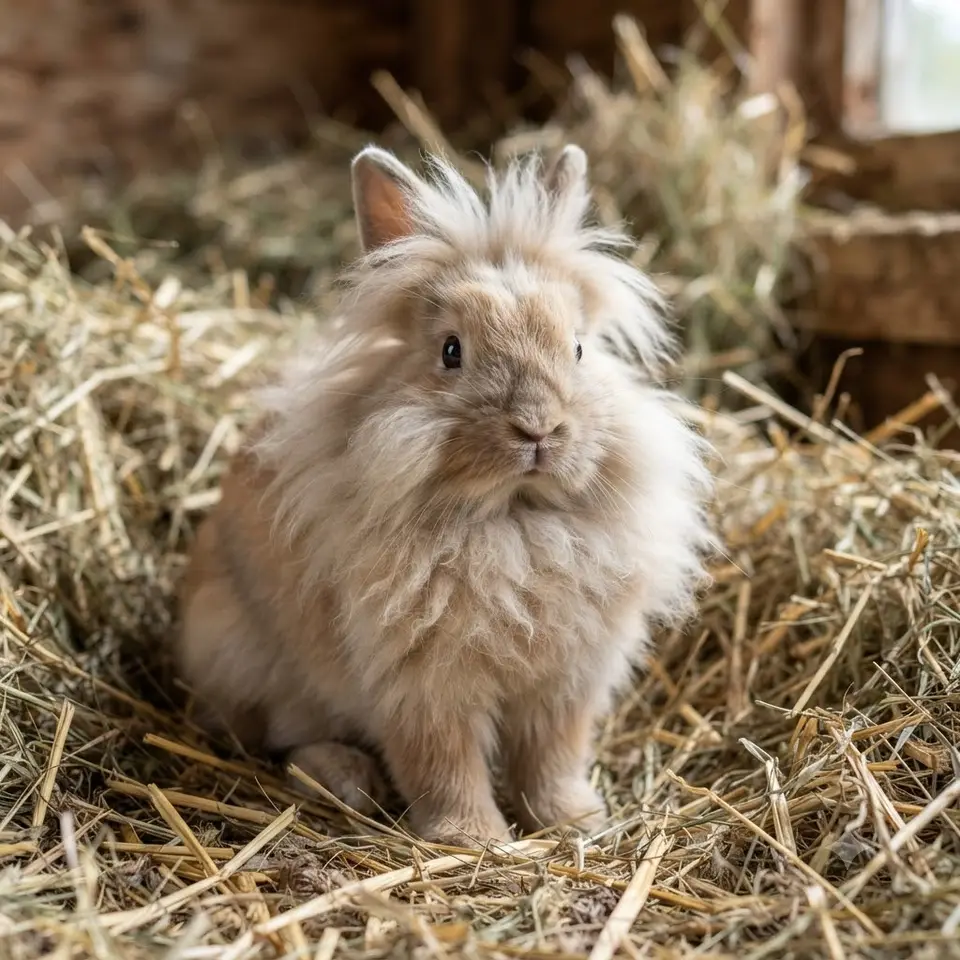
The Lionhead rabbit has a fluffy wool mane around the head and (in double-mane lines) the flanks, framing a small friendly face.
Last reviewed: October 2026
Species guide: Rabbit (Domestic) · All rabbit breeds
 AI illustration
 Overview
The Lionhead rabbit has a fluffy wool mane around the head and (in double-mane lines) the flanks, framing a small friendly face. The distinctive look drives its popularity, but that wool is a grooming commitment the cuteness shouldn't hide.
A rabbit is a decade commitment, not a starter pet: rabbits are intelligent, social prey animals that live 8-12 years, need far more space than a hutch (plus daily free-run time), usually do best bonded with another rabbit, and dislike being picked up. They are not low-effort or ideal for very young children. Consider adopting - rescues are full of rabbits.
History & Origin
Arose in Belgium/France in the late 20th century from a wool-gene mutation, refined into single- and double-mane lines and recognised internationally in the 2000s-2010s.
Appearance
0.9-1.7 kg, compact, with upright ears and the signature wool mane around the head (double-mane lines add wool 'skirts' on the flanks); many colours. Typical size: Dwarf, 0.9-1.7 kg. Coat: Wool mane + short body coat. Average lifespan 7-10 years.
Temperament & Handling
Generally friendly, curious and reasonably tolerant of gentle handling; individuals vary. The characterful face and manageable size suit engaged owners.
Housing
Space and daily exercise, hides, unlimited hay - and clean bedding, since the mane picks up mess. Bond a pair where possible.
Diet
Hay-first (80%+), daily greens, small measured pellets, constant water. Extra hay matters - wool breeds are prone to wool-block if grooming/hay intake is off.
Health & Lifespan
The wool coat risks matting and wool ingestion (GI stasis/wool block) - grooming and hay are preventive. Dental and neuter care as standard. 7-10 years.
Grooming
The mane needs regular brushing (several times weekly, more when moulting) to prevent mats; check the rear for soiling; nails trimmed; never bathe.
Pros & Cons
Pros
- Unique, endearing mane
- Small, characterful, friendly-leaning
- Wide colour range
- Popular and widely available/adoptable
Cons
- Mane grooming is a real commitment
- Wool-block risk if hay/grooming lapse
- Double-mane lines need more coat care
- Temperament varies by individual
Best Suited For
- Owners happy to groom regularly
- Gentle older children and adults
- Homes able to keep bedding clean
- People wanting a distinctive small rabbit
Everyday gear for small mammals
Links go to Amazon or a partner brand's own store and may earn us a commission at no extra cost to you. As an Amazon Associate we earn from qualifying purchases. An Amazon link leads to a type of gear and you choose the exact product; a card that names a store leads to that partner's own shop.
Lionhead Rabbit - frequently asked questions
Single or double mane?
Single-mane Lionheads have wool only around the head; double-mane lines add flank wool and need more grooming. Both need regular brushing to prevent mats.
What is wool block?
A dangerous gut blockage from ingested wool during self-grooming; prevent it with frequent brushing and a huge hay intake that keeps the gut moving.
Do they need lots of grooming?
Yes - the mane mats without brushing several times a week (daily in moult). If that's not for you, a short-coated breed is kinder to keep.
Test yourself: guess the small mammal
Three clues from our quiz bank, each about another of our small mammals. Can you name them?
Clue 1.This solitary golden rodent is the most common pet of its kind and must be housed alone to avoid deadly fights.
It's the Syrian Hamster - read the full profile →
Clue 2.A pocket-sized Australian and New Guinean pet that glides on a stretchy flap of skin and bonds intensely with its colony.
It's the Sugar Glider - read the full profile →
Clue 3.Unlike its larger solitary cousin, this tiny pocket-sized rodent can sometimes be kept in same-sex pairs.
It's the Dwarf Hamster - read the full profile →