The Grooming Stylebook.
Grooming starts with the coat, not the breed. Find your dog's coat type below for how to care for it, how often, which tools help and whether it should ever be clipped - then the popular cuts and a plain-English tool list.
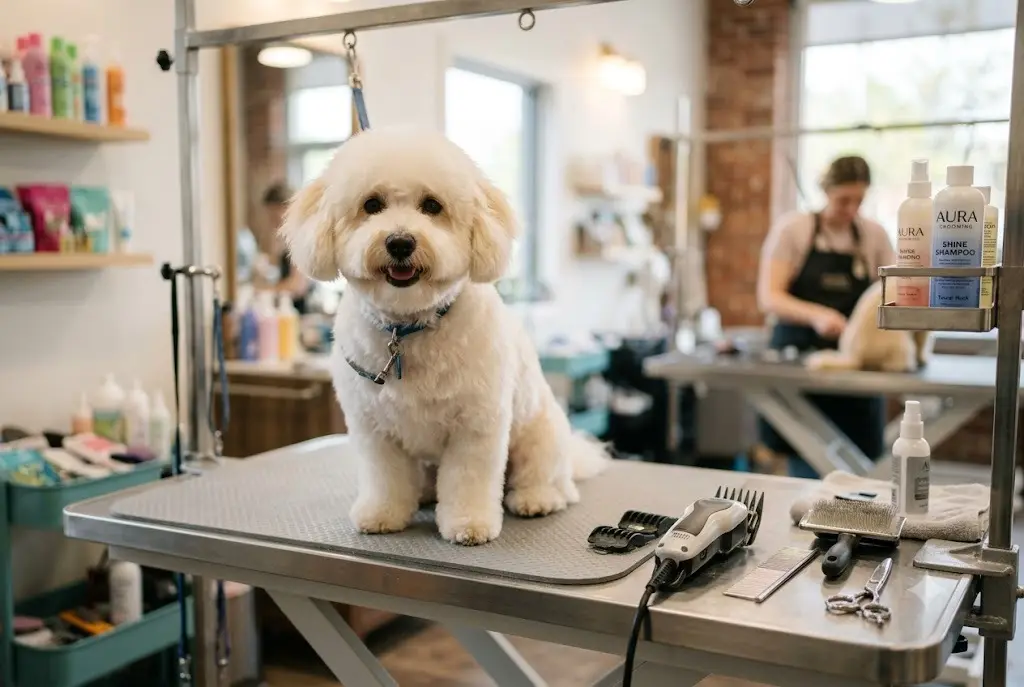
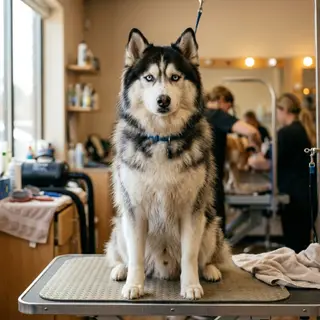
Double coat
A dense, insulating undercoat under a layer of longer guard hairs. It keeps a dog warm in winter and, surprisingly, cool in summer.
Breeds like this: Golden Retriever, German Shepherd, Siberian Husky, Corgi, Bernese Mountain Dog
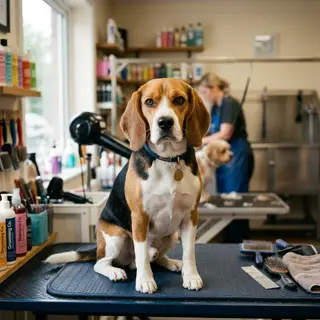
Smooth / short coat
A short, close single coat with little or no undercoat. The lowest-maintenance coat type, though many still shed steadily.
Breeds like this: Labrador Retriever, Beagle, Boxer, Dachshund, French Bulldog
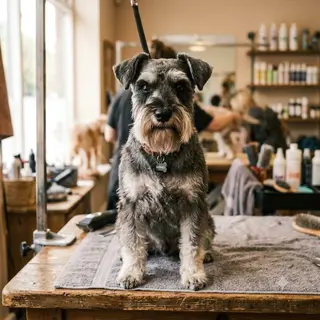
Wire / broken coat
A harsh, bristly outer coat over a softer undercoat, classic for many terriers. The wiry texture is what keeps the coat weatherproof.
Breeds like this: Miniature Schnauzer, Airedale Terrier, Welsh Terrier, Cairn Terrier
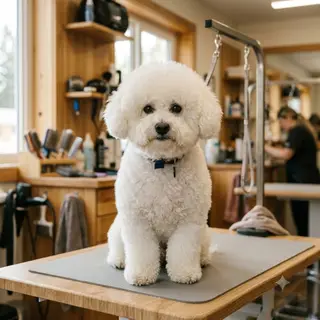
Curly / wool coat
Tight curls that grow continuously and shed very little, which is why they mat readily and need regular clipping.
Breeds like this: Poodle, Bichon Frise, Portuguese Water Dog
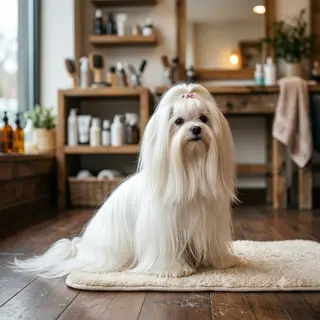
Silky / long coat
Fine, flowing hair that can grow floor-length. Beautiful, but it tangles and mats without daily attention.
Breeds like this: Yorkshire Terrier, Shih Tzu, Maltese, Havanese
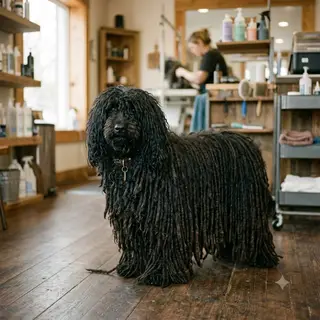
Corded & hairless
Two ends of the spectrum: coats that form natural rope-like cords, and dogs with little or no hair at all.
Breeds like this: Xoloitzcuintli
Popular cuts, explained
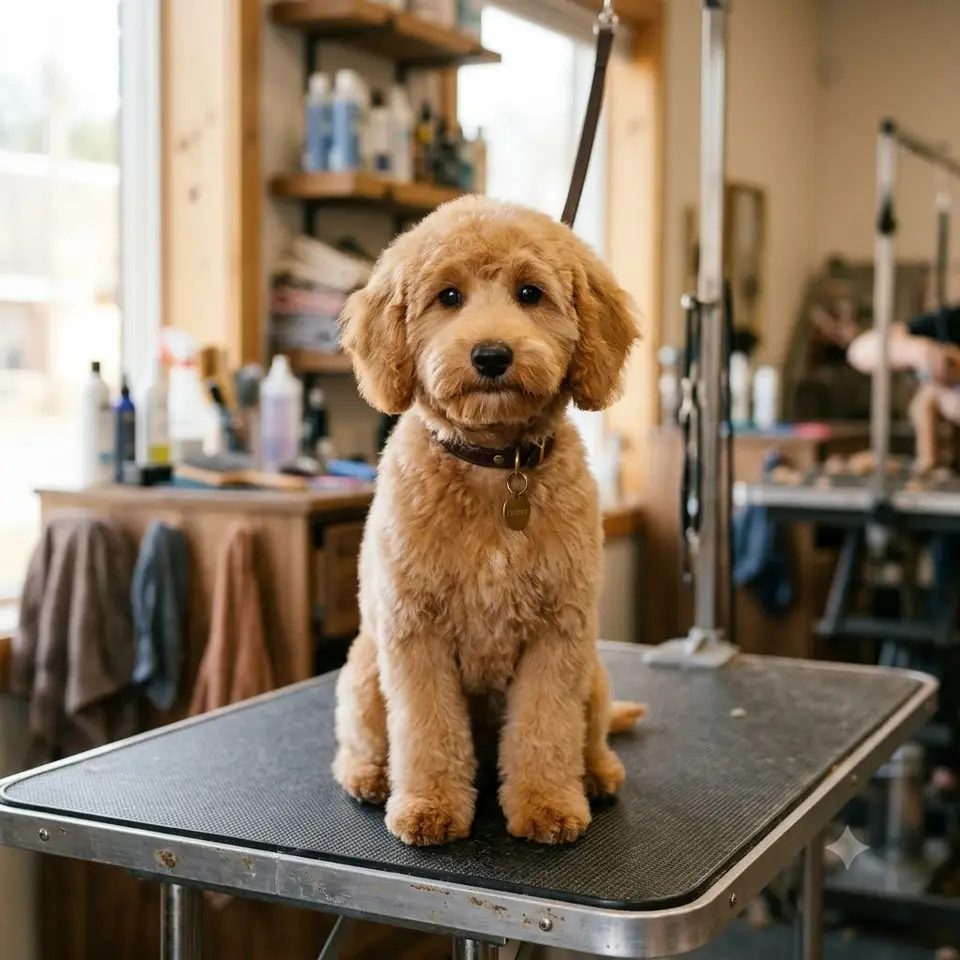 Puppy cut
 Short and even all over the body, face and legs. The easiest cut to maintain and the go-to for curly and silky coats kept practical.
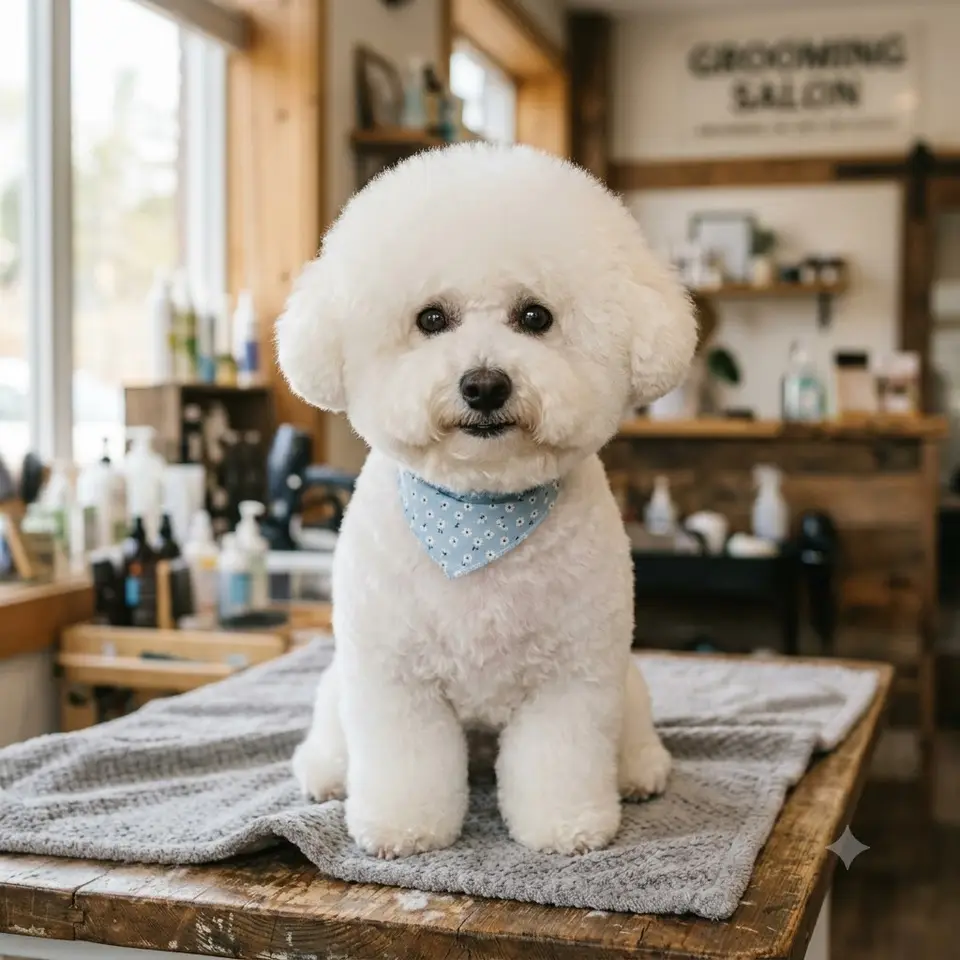 Teddy bear cut
 A rounded, fluffy face with an even body length. The signature look for doodles and Bichons - cute, and gentler on brushing than a long coat.
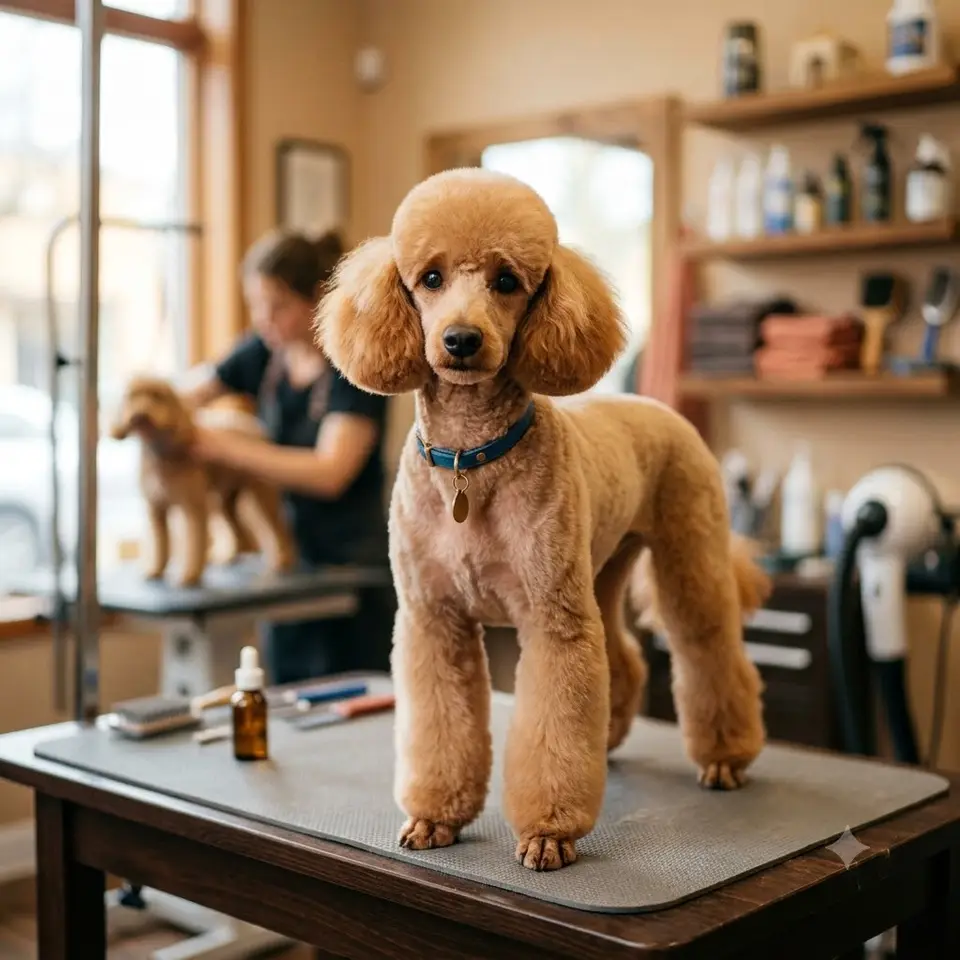 Lamb cut
 Short on the body with fuller, plush legs, so the dog looks a little like a lamb. A middle ground between practical and stylish.
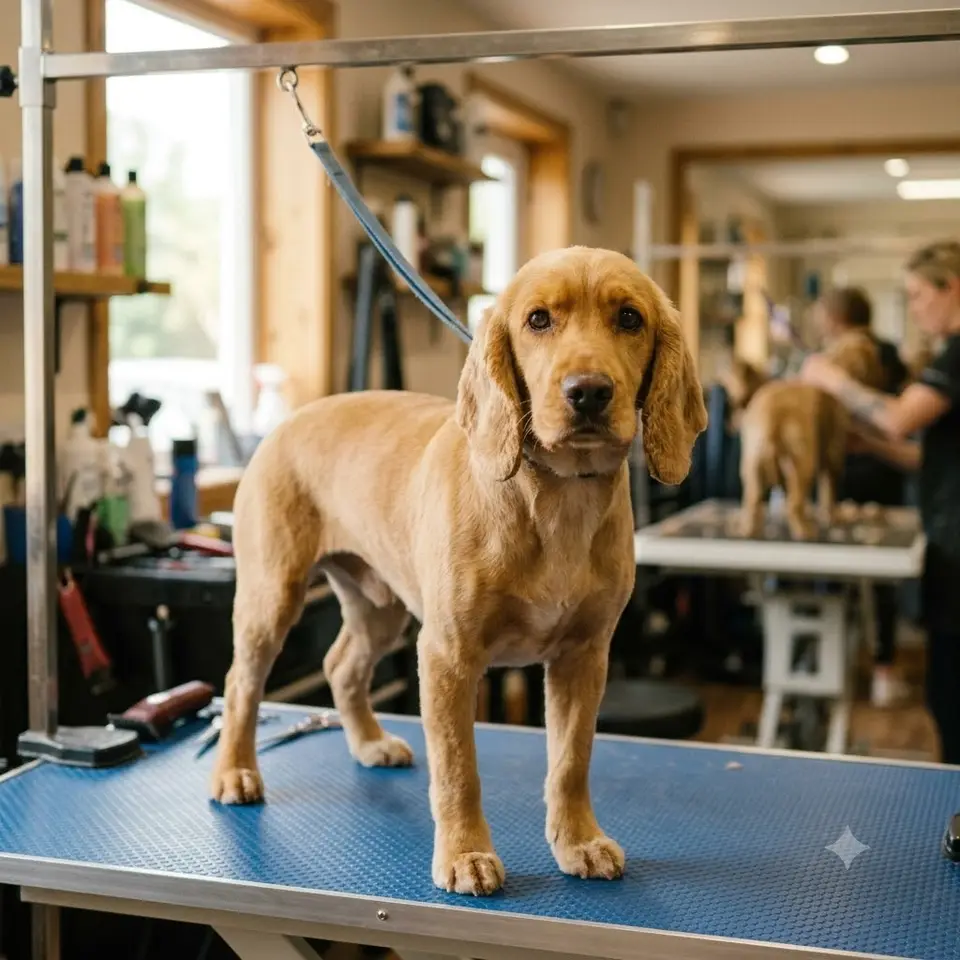 Kennel / summer cut
 Very short all over for easy upkeep and hot weather. Practical, though remember short is not the same as cool for double coats - those are never shaved.
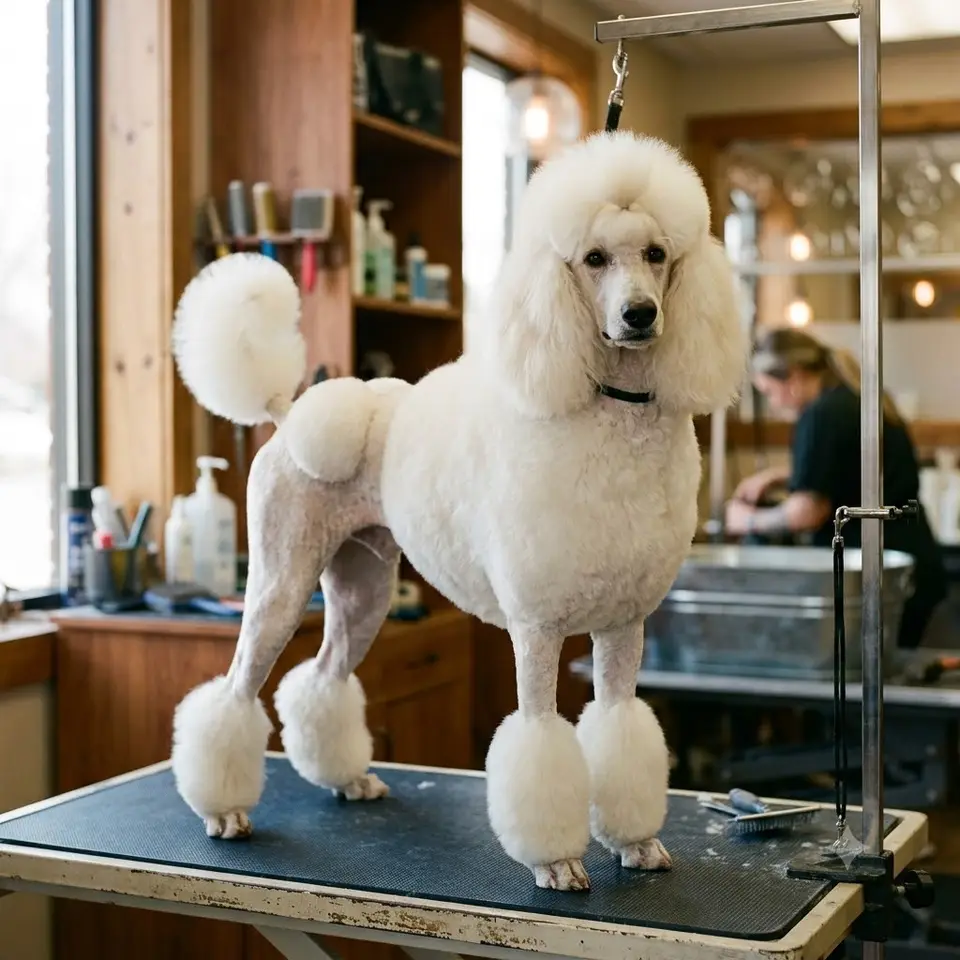 Continental clip
 The classic Poodle show clip with shaved hindquarters and pompoms on the legs and tail. Striking, but very high maintenance.
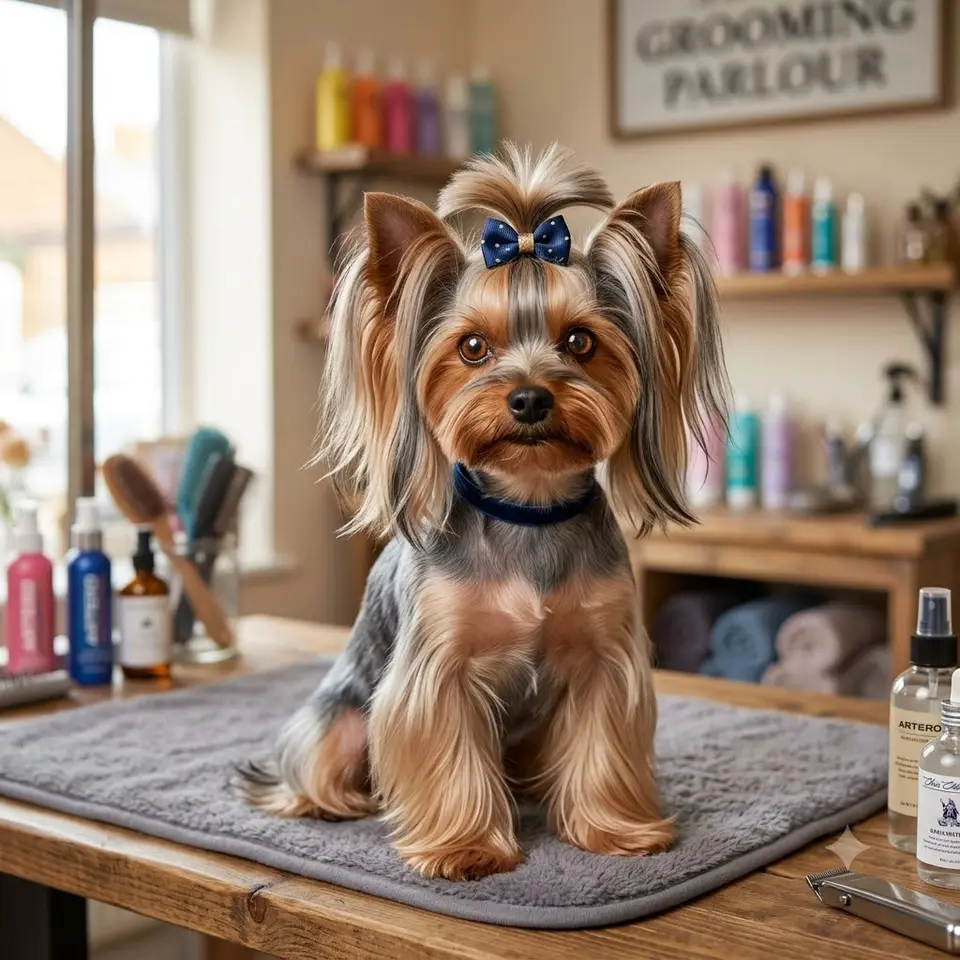 Top knot & feathering
 Long ear and leg 'feathering' with the face hair tied up out of the eyes. Common for silky, long-eared breeds like the Yorkie and Maltese.
Grooming is one part of care, not all of it - nails, ears and teeth matter just as much. See how much upkeep a breed really needs on its own breed profile, put two breeds side by side with the comparison tool, or read up on looking after older dogs in senior pet care.
Grooming tools
Links go to Amazon or a partner brand's own store and may earn us a commission at no extra cost to you. As an Amazon Associate we earn from qualifying purchases. An Amazon link leads to a type of gear and you choose the exact product; a card that names a store leads to that partner's own shop.