Dog Allergies: Food, Fleas, Pollen
The three common kinds of allergy in dogs according to the Merck Veterinary Manual - flea saliva, airborne allergens (atopic dermatitis) and food - where each one itches, how vets tell them apart, the 3-month diet trial, and when an allergic reaction is an emergency. A reading guide, not veterinary advice.
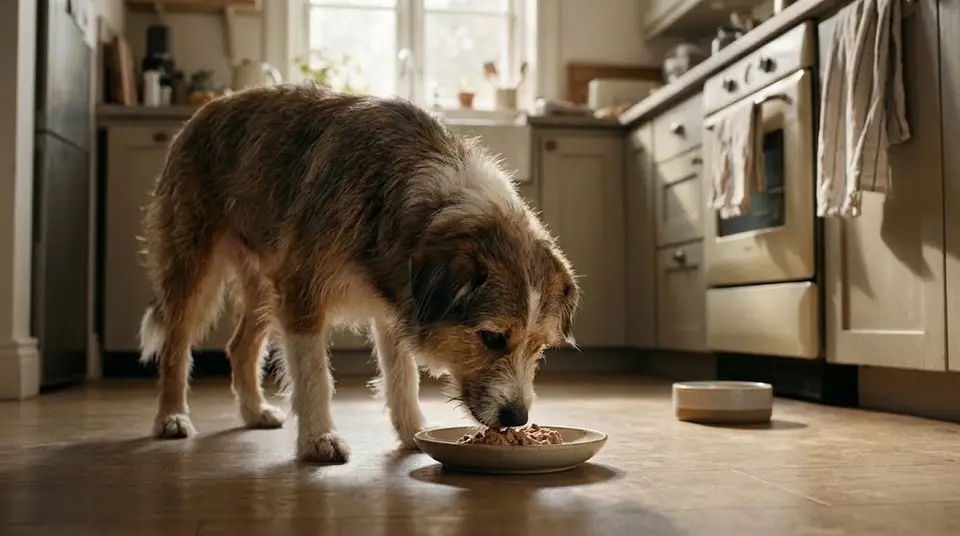
 AI illustration
This is a reading guide to what veterinary references say about allergies in dogs. Swelling of the face or throat, trouble breathing or collapse after a sting, vaccine or medicine is an emergency: go to a vet now.
The short answer: most itchy, allergic dogs react to one of three things. They are flea saliva, allergens in the air such as pollen, dust and mold, or something in their food. In each case the immune system overreacts, which shows up as red, swollen, itchy skin. The Merck Veterinary Manual says food allergies are less common than airborne ones, and it calls itching the most typical sign of atopy.
The Three Kinds Side by Side
| Flea allergy | Airborne allergy (atopy) | Food allergy | |
|---|---|---|---|
| Where it itches | Classically the hips, base of the tail and thighs | Feet, face, ears, front legs and belly; often all over | Similar to atopy |
| When | Mostly late summer, at the flea peak | Usually seasonal, but can be all year | No real change between seasons |
| Typical age | Uncommon under 1 year | Usually starts between 6 months and 3 years | Variable |
| How it is confirmed | Finding fleas or flea dirt; very sensitive dogs may groom them all away | By ruling out other causes; no test can positively identify it | Only by an elimination diet trial |
The flea column is from Merck’s chapter on fleas of dogs. Merck adds that many dogs are allergic to flea saliva. Allergic dogs can itch intensely and keep licking, chewing and nibbling at their skin. Over time this leads to hair loss, thickened and darkened skin and infections. A dog with heavy itching on its back half should be checked for fleas first, even if you have never seen one.
How Vets Work It Out
- Fleas and mites first. Parasites are the first cause vets exclude, Merck says in its guide to itching.
- Infection next. Bacterial and yeast infections cause itching of their own and come with most allergies, so they are treated first. A typical course is 21 to 30 days.
- Then allergy. If the itch stays after that, an allergy is the likely cause.
Allergy tests on blood or skin cannot diagnose atopy, Merck notes, but they can identify which allergens to put into allergy shots or drops. For food allergy, blood and skin tests are not reliable at all.
The Food Trial
Merck describes the only way to confirm a food allergy:
- What the dog eats: an elimination diet made only of ingredients the dog has never eaten, or a prescription diet with hydrolyzed proteins, broken down so the immune system no longer recognizes them.
- How strict: nothing else for the whole trial. That means no treats, table food, flavored medicines or toothpaste. One old ingredient can make the trial fail.
- How long: up to 3 months.
- The proof: if the itch clears, the old food goes back in. Signs usually return between 1 hour and 14 days later, which confirms the allergy.
The foods dogs are most often allergic to are beef, chicken, eggs, corn, wheat, soy and milk, Merck says. Our page on dog food for allergies compares the diets vets use for the trial.
Treatment
- Flea allergy: flea control aims to clear fleas from the pets and the home and to stop them coming back. Merck notes that the most effective products are sold by vets, and that the presence of fleas does not rule out a second cause of itching.
- Atopy: lifelong management, not a cure. It combines avoiding allergens where possible, itch control, bathing, controlling fleas and infections, and often immunotherapy. Merck says allergy shots or drops are the treatment most veterinary dermatologists prefer.
- Food allergy: strict avoidance of the ingredient once it is known.
When It Is an Emergency
Hives, raised itchy patches that come on within minutes or hours, are relatively uncommon in dogs. Merck’s hives chapter names insect bites or stings, shampoos and medicines as the most frequent causes. They often fade within hours. Contact your vet immediately if hives follow a vaccine or a medicine. Merck adds that they are rarely fatal unless there is anaphylaxis or swelling of the airway, so any breathing trouble is an emergency.
Related Reading
- Why dogs lick their paws
- Allergy medication for dogs
- Why your dog keeps shaking its head, as ear infections often come with allergies