Why Dogs Lick Their Paws
Why dogs keep licking their paws: the order in which vets look for the cause - parasites, infection, allergy - airborne and food allergies, painful abscesses between the toes, and licking that has become compulsive, from the Merck Veterinary Manual. A reading guide, not veterinary advice.
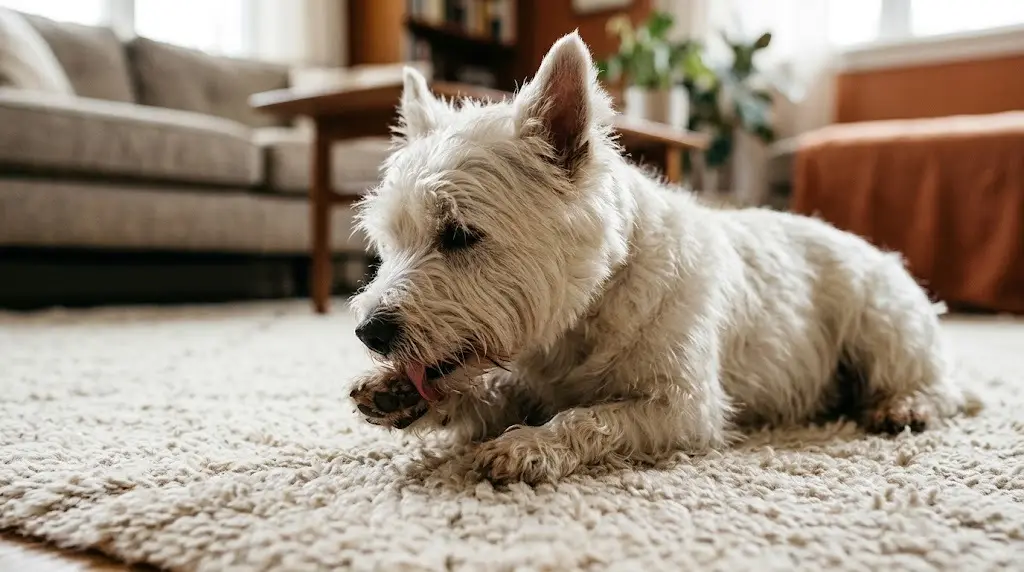 AI illustration
This is a reading guide to what veterinary references say about paw licking. Constant licking usually has a medical cause that needs a diagnosis, so a dog that keeps at it should see a vet.
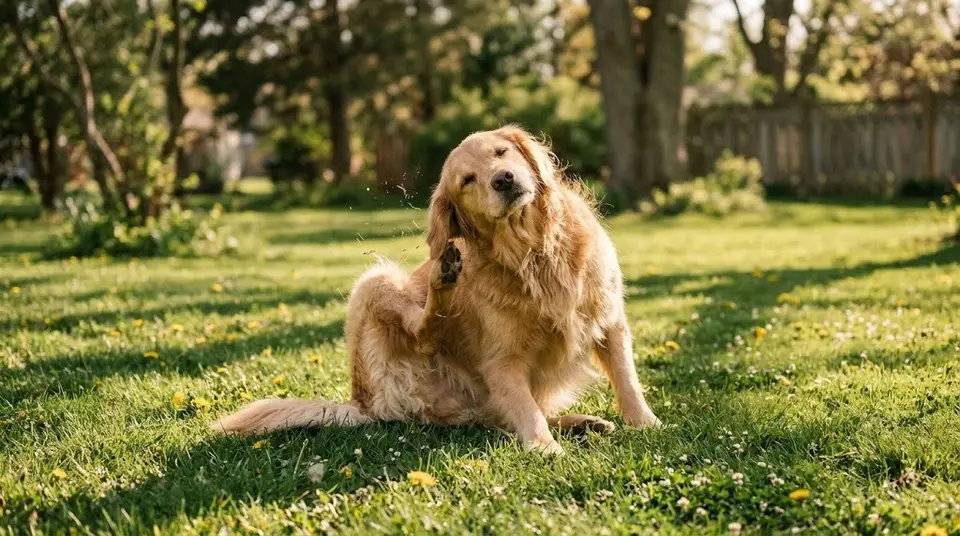
The short answer: some licking is grooming. Licking that goes on and on usually means the paw itches or hurts. The Merck Veterinary Manual describes an itchy dog as one that scratches, bites or licks its skin too much. It names parasites, infections and allergies as the most common causes of itching. Licking or chewing the paws is also one of the classic signs of airborne allergy.
How a Vet Narrows It Down
Itching is a sign, not a diagnosis, Merck stresses. Vets usually work through the causes in this order:
- Parasites first. Fleas and mites are the first causes your vet will want to exclude.
- Then infection. Bacterial and yeast infections are common causes of itching, often with hair loss, scaling, odor or discharge. Merck notes that licking the feet and face is common when yeast and bacteria are both involved. If the vet suspects infection, a course of 21 to 30 days of treatment comes first.
- Then allergy. If the itch stays after the infection is treated, an allergy becomes the likely cause. Merck lists insect bites, food and airborne allergens as the most common triggers.
Because of that order, the answer can take weeks. Tell the vet when the licking started, whether it comes and goes with the seasons, and whether it is all four feet or one.
Airborne Allergies
Merck says that in atopic dermatitis, dogs react to allergens in the air such as plant particles:
- Where it shows: the feet, face, ears, front legs and belly are the areas most often affected. Licking or chewing the paws and rubbing the face and eyes are typical.
- When it starts: usually between 6 months and 3 years of age.
- When it flares: usually in certain seasons, though some dogs itch all year.
- Breeds at higher risk include the Golden Retriever, Labrador Retriever, Boxer, Shih Tzu and West Highland White Terrier, but any dog can be affected.
- Long-term: it is lifelong and managed, not cured. Management combines avoiding the allergens where possible, controlling the itch, bathing, and treating fleas and infections that make it flare. Many veterinary dermatologists prefer allergy shots or drops (Merck).
Food Allergy
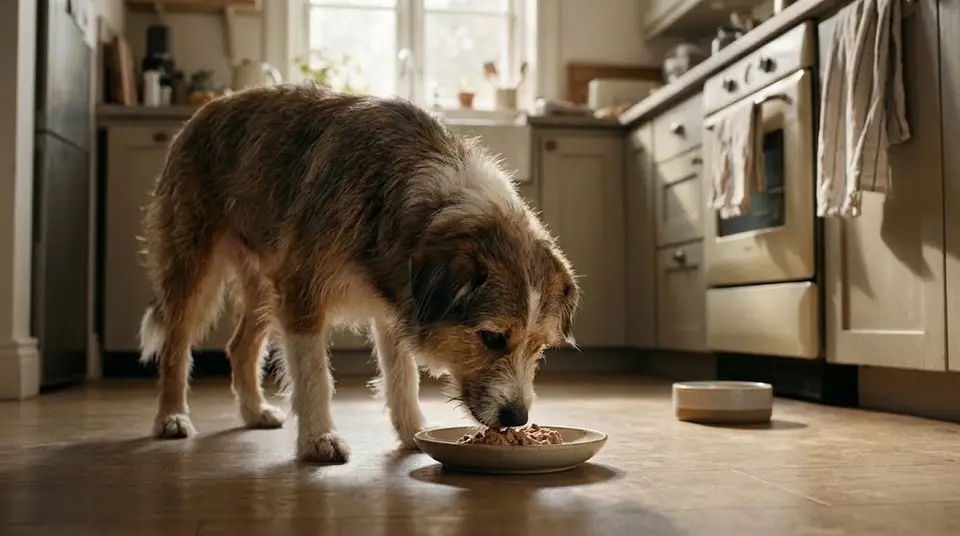
Food allergy is less common than airborne allergy, and the itch varies little from season to season. Merck says blood and skin tests are not reliable for it. The only way to diagnose it is a diet trial of up to three months. The dog eats an elimination diet of ingredients it has never had before, or a prescription hydrolyzed diet. During the trial, nothing else may pass its lips, including treats, table food, flavored medicines and toothpaste. Our guide to food for dogs with sensitive stomachs explains these diets.
A Painful Spot Between the Toes
A dog that licks and bites at one foot, and limps on it, may have an interdigital furuncle. That is a painful, pus-filled boil in the webbing between the toes. Merck says most are caused by a deep bacterial infection, often starting from short, bristly hairs pushed back into the skin as the dog walks. The Labrador Retriever, Chinese Shar-Pei and English Bulldog are prone to them. A single boil, often on a front foot, can come from a splinter or burr. These need a vet: treatment is often several weeks of antibiotics (Merck).
When Licking Becomes a Habit
Merck gives “incessant licking” as an example of a compulsive disorder. That means a repetitive behavior done so often or for so long that it crowds out normal activities (Merck). For licking disorders such as acral lick dermatitis, Merck’s professional version tells vets what to investigate first: atopic dermatitis, hypersensitivity to bacteria or parasites, food reactions, parasites, infection, nerve problems, autoimmune disease and pain from any cause (Merck, professional version). Treatment then combines behavior work, changes at home and sometimes medicine.
Related Reading
- Dog shampoos by coat type
- Why does my dog keep shaking his head?, as ear itch often comes with paw itch
- Food for dogs with sensitive stomachs