Jack Russell Terrier
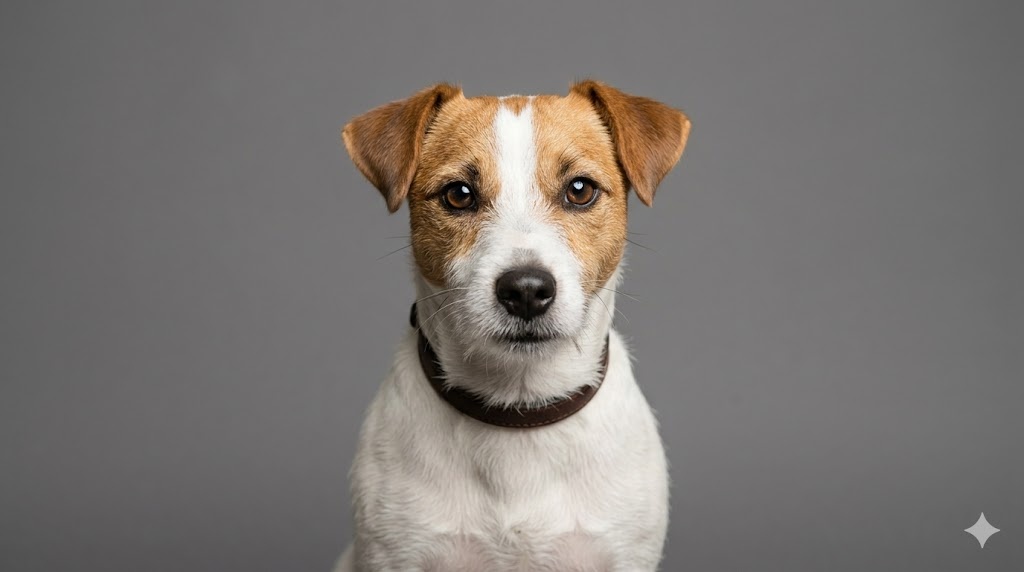
The Jack Russell Terrier is a small, compact, intensely driven working terrier developed in 19th-century England for fox hunting.
🗓️ Last reviewed: June 2026
Overview
The Jack Russell Terrier is a small, compact, intensely driven working terrier developed in 19th-century England for fox hunting. Despite the small size and friendly face, the Jack Russell is one of the most demanding small breeds in existence - a tireless, prey-driven, opinionated dog that requires real exercise, real training, and real respect. In the hands of the right owner the breed is one of the most rewarding small dogs imaginable; in the wrong hands it becomes a yapping, destructive, escaping menace.
History & Origins
The breed was developed by the Reverend John "Jack" Russell, an English clergyman and avid fox hunter who in 1819 bought a small white-and-tan terrier named Trump as the foundation of a working bloodline. Russell wanted a terrier that could keep up with foxhounds on horseback hunts, dive into fox burrows, and bolt the fox without harming it (so the hunt could continue). Trump and her descendants became the basis of the modern Jack Russell.
The breed remained primarily a working terrier for over a century, with hunters resisting kennel club recognition that would prioritise appearance over working ability. Three closely related breeds eventually emerged from the working stock:
- Jack Russell Terrier (10-12 in) - recognised by the AKC as a separate breed in 2012 under the name "Russell Terrier."
- Parson Russell Terrier (12-14 in) - the longer-legged variety; AKC-recognised since 1997.
- Jack Russell Terrier (working type, variable size) - preserved by working clubs; not separately AKC-recognised.
The terms are used loosely in casual conversation; pet Jack Russells are typically the smaller, shorter-legged variety.
Appearance
Small, sturdy, square. Adults stand 25-38 cm (10-15 in) and weigh 6-8 kg (13-17 lb).
Key features:
- Coat: three varieties - smooth (short, dense), broken (mid-length with light furnishings), rough (longer with full beard and eyebrows). All are double-coated and weather-resistant.
- Colour: predominantly white with tan, black, or tricolour markings (especially around the head). The white was bred deliberately so hunters could distinguish dog from quarry.
- Head: flat skull with a moderate stop, dark almond eyes, and small V-shaped drop ears.
- Tail: historically docked to 10 cm to provide a handle for pulling the dog out of fox burrows; natural tails increasingly common.
Temperament & Character
Bold, fearless, energetic, and stubborn. Jack Russells are textbook terriers - confident, opinionated, and absolutely certain of their own importance. With family they are affectionate, sometimes intensely bonded. With strangers most are friendly but watchful.
The breed has enormous prey drive. Cats, rabbits, rodents, lizards, and small birds are not safe. Some Jack Russells cohabit with cats they grew up with; most cannot be trusted with small animals.
Dog-on-dog aggression is common, especially same-sex. The breed is genuinely scrappy and will start fights with dogs many times its size. Off-leash in dog parks is rarely advisable.
The Jack Russell barks readily, digs constantly, and follows interesting scents for kilometres. Recall is famously unreliable.
Care
Coat & Grooming
Smooth coat: weekly brush with a rubber curry. Minimal work.
Broken coat: weekly brush plus periodic trimming of feathering. Light work.
Rough coat: brush 2-3 times weekly with a slicker plus periodic hand-stripping for the working harsh coat (every 8-12 weeks).
All varieties: clean ears weekly, trim nails every 3 weeks, brush teeth several times weekly. All shed steadily; the white double coat hides little.
Exercise & Activity Needs
High. Adults need 60-90 minutes of vigorous daily exercise - walks, running, scent games, fetch, terrier sports. The breed excels at earthdog, barn hunt, agility (very fast at it), flyball, and rally.
Mental work matters as much as physical. A bored Jack Russell digs holes large enough to disappear into, chews furniture, escapes through any gap, and barks for hours. The exercise needs of this small breed dwarf those of many large dogs.
Health & Lifespan
Average lifespan is 13-16 years.
Common concerns:
- Patellar luxation.
- Legg-Calvé-Perthes (hip joint).
- Lens luxation - DNA test available.
- Progressive retinal atrophy.
- Late-onset ataxia - DNA test.
- Spinocerebellar ataxia - DNA test.
- Congenital deafness - particularly in heavily-white dogs.
- Allergies.
- Cushing's disease in older dogs.
The breed is generally robust given good genetics and lean weight.
Feeding & Nutrition
Adults typically eat 3/4 to 1¼ cups of quality food per day in two meals. The breed maintains lean condition naturally when exercised properly. Treats counted into daily calories.
Pros & Cons
Pros
- Tireless, athletic, capable of real sport.
- Long-lived for any breed.
- Sturdy and generally healthy.
- Compact size.
- Big personality - entertaining companion.
Cons
- Enormous exercise and engagement needs for the size.
- Strong prey drive - danger to cats and small pets.
- Dog-on-dog reactivity common.
- Stubborn - difficult to train in traditional obedience terms.
- Vocal - barks readily.
- Digs and escapes.
Best Suited For
- Active outdoor-oriented owners.
- Earthdog, barn hunt, agility, terrier-sport homes.
- Active families with older children.
- Households with secure fencing.
- Owners experienced with terrier mindset.
Not suited for sedentary households, apartment dwellers in noise-sensitive buildings, homes with cats or small pets, full-time-office homes, or first-time owners expecting a "small easy dog."
🐾 Everyday gear for dogs
Links go to Amazon or a partner brand's own store and may earn us a commission at no extra cost to you. As an Amazon Associate we earn from qualifying purchases. We link gear types, not sponsors' picks: you choose the exact product.
Jack Russell Terrier puppy growth chart
A typical growth curve for a toy breed like the Jack Russell Terrier, estimated from its adult weight of 6-8 kg. Puppies vary with sex, genetics and diet, so treat this as a guide - for your own puppy, use the puppy weight predictor.
| Age | Typical weight | % of adult |
|---|---|---|
| 2 mo | 2-2.6 kg | 33% |
| 3 mo | 2.7-3.6 kg | 45% |
| 4 mo | 3.3-4.4 kg | 55% |
| 6 mo | 4.5-6 kg | 75% |
| 9 mo | 5.7-7.6 kg | 95% |
| 12 mo | 6-8 kg | 100% |
| Adult | 6-8 kg | 100% |
Jack Russell Terrier - frequently asked questions
Are Jack Russells good with kids?
Generally yes with respectful older children. Their exuberance and snappiness around handling make them poor choices for toddlers.
Are they good with cats?
Rarely. The prey drive is significant and training often fails to override it. Cats are at genuine risk.
Do they really need that much exercise?
Yes. The Jack Russell was bred to keep up with foxhounds on horseback hunts. The breed is built for stamina far beyond most small dogs.
Why are some Jack Russells so different?
The breed includes short-legged ("Jack Russell Terrier"), long-legged ("Parson Russell Terrier"), and working-type variations. All share the same working ancestry; conformation differences reflect different selection paths.
Are they hypoallergenic?
No - they shed steadily and produce dander.
🧠 Test yourself: guess the dog
Three clues from our quiz bank, each about another of our dogs. Can you name them?
Clue 1.This giant breed was raised by Alpine monks to find and rescue travelers lost in mountain snow.
It's the Saint Bernard - read the full profile →
Clue 2.This small German terrier-type dog sports a bushy beard and arched eyebrows on a squared-off muzzle.
It's the Miniature Schnauzer - read the full profile →
Clue 3.Tougher and more protective than other retrievers, this powerful swimmer has yellowish eyes and a slightly oily, almost greasy feel.
It's the Chesapeake Bay Retriever - read the full profile →
💛 Adoptable Jack Russell Terriers near you
Real dogs of this breed (and close mixes) waiting in shelters and rescues right now, live from Petfinder. We have no affiliation and earn nothing - if someone catches your eye, the link goes straight to their shelter. New to adopting? Start with our adoption guide.
Widget not loading (some ad-blockers hide it)? Search directly on petfinder.com.