Turkish Van
The Turkish Van is famously the "swimming cat" - a large, semi-longhaired Turkish breed that genuinely enjoys swimming.
🗓️ Last reviewed: September 2026
Overview
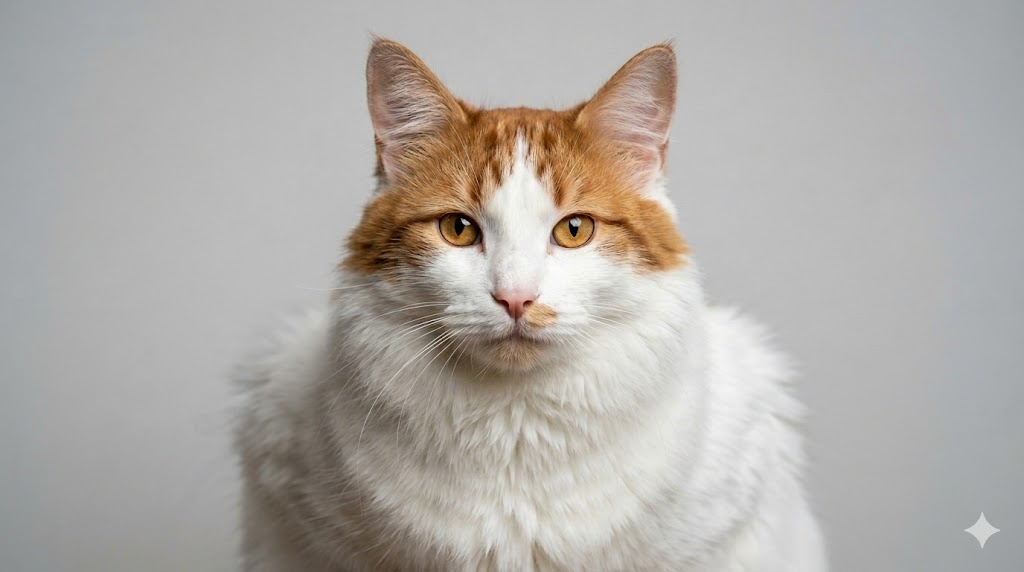
The Turkish Van is famously the "swimming cat" - a large, semi-longhaired Turkish breed that genuinely enjoys swimming. Bred from cats living in the Lake Van region of eastern Turkey, the breed has a distinctive coat pattern (white body with colour on the head and tail) and a strong, independent personality.
History & Origins
The breed has existed in eastern Turkey for at least a thousand years. Two British women - Laura Lushington and Sonia Halliday - imported the first cats to Britain in 1955 after observing them swimming in Lake Van. The breed is considered a national treasure in Turkey. CFA recognition came in 1994.
Appearance
Large, athletic, semi-longhaired. Adults weigh 4-9 kg (9-20 lb). Slow-maturing - full size by age 5.
- Coat: medium-long, silky, single-coated, with cashmere-like texture. Water-resistant.
- Pattern: the iconic Van pattern - solid white body with colour only on the head and the full tail. White-only or solid-coloured variants exist but the patched "Van" is iconic.
- Eyes: large, almond, amber, blue, or odd-eyed (one of each - highly prized).
- Body: long, muscular, athletic.
Temperament & Character
Active, intelligent, independent. The Turkish Van bonds strongly with family but is not a typical lap cat - affectionate on its own terms. Athletic and playful. Generally good with children and other pets when raised together.
Care
Coat & Grooming
The silky single coat resists matting. 2-3 times weekly brushing.
Health & Lifespan
12-17 years.
- Hypertrophic cardiomyopathy.
- Deafness in white blue-eyed cats - BAER test.
Pros & Cons
Pros: athletic, intelligent, swims, beautiful pattern. Cons: independent (not a lap cat); deafness risk in white blue-eyed cats; uncommon.
🐾 Everyday gear for cats
Links go to Amazon or a partner brand's own store and may earn us a commission at no extra cost to you. As an Amazon Associate we earn from qualifying purchases. We link gear types, not sponsors' picks: you choose the exact product.
Turkish Van - frequently asked questions
Do they really swim?
Yes - the breed enjoys water and many will jump into ponds and pools voluntarily. The water-resistant coat dries quickly.
Turkish Van vs Turkish Angora?
Different breeds despite both being Turkish. Van is larger, water-loving, with the distinctive Van pattern. Angora is smaller, more refined, with solid white or coloured coat.
Are they hypoallergenic?
No, though the single coat sheds less than double-coated longhairs.
Are they good with kids?
With respectful older children, yes.
🧠 Test yourself: guess the cat
Three clues from our quiz bank, each about another of our cats. Can you name them?
Clue 1.This domestic cat was created by crossing house cats with a small wild Asian feline, producing a pet with a strikingly spotted or marbled coat.
It's the Bengal - read the full profile →
Clue 2.A sleek, vocal, and affectionate cat with a plume-like tail, it loves to chat with its owner and follow them around the house.
It's the Balinese - read the full profile →
Clue 3.This slender, athletic cat has a warm ruddy coat where every hair is banded with several colors, giving a shimmering, wild-rabbit-like appearance.
It's the Abyssinian - read the full profile →
💛 Adoptable Turkish Vans near you
Real cats of this breed (and close mixes) waiting in shelters and rescues right now, live from Petfinder. We have no affiliation and earn nothing - if someone catches your eye, the link goes straight to their shelter. New to adopting? Start with our adoption guide.
Widget not loading (some ad-blockers hide it)? Search directly on petfinder.com.